
Introduction
A strong souvenir collection is not just a group of random products. For museums, tourist attractions, city gift shops, galleries, zoos and cultural destinations, souvenirs should tell a story.
Visitors often buy souvenirs to remember a place, share a travel experience or bring home a meaningful gift. This means the best souvenir products should connect with the destination, the visitor experience and the retail environment.
This article explains how museums and tourist attractions can build a custom souvenir collection with clear product themes, SKU planning, packaging, display ideas and sourcing preparation.
If you need a broader introduction to souvenir product types, materials and packaging, you can also read our guide on custom tourism souvenirs.
Quick Summary
In this guide, you will learn:
- What makes a strong souvenir collection
- How to choose a clear collection theme
- How to plan product categories and SKUs
- How to combine best-selling souvenir items
- How packaging and display affect retail sales
- What museums and attractions should prepare before requesting a quote
- How Superstar supports custom souvenir sourcing from China
What Is a Custom Souvenir Collection?
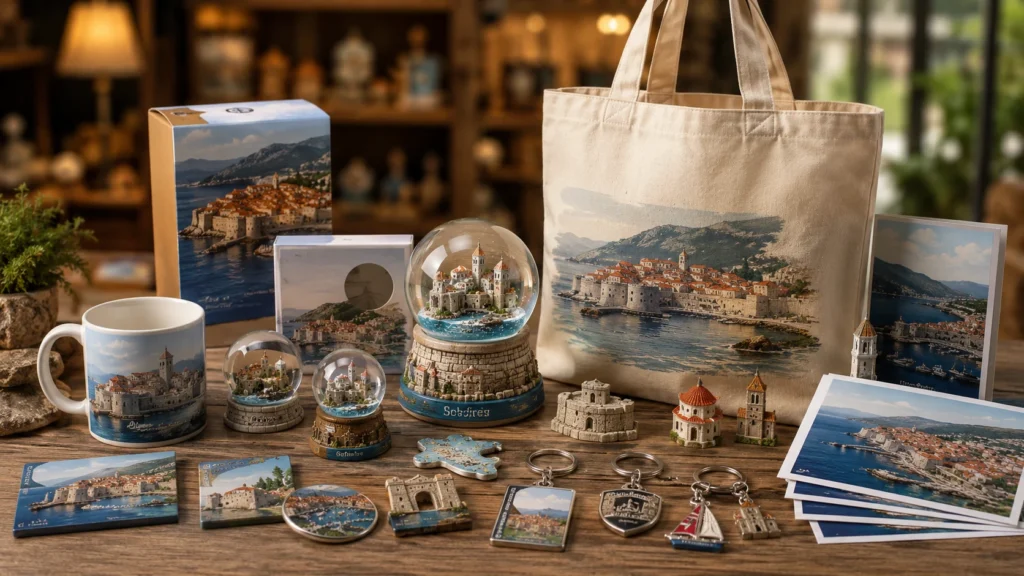
A custom souvenir collection is a group of related products designed around a destination, brand, museum, attraction, event or cultural story.
Instead of sourcing one product at a time, buyers can develop a complete collection that shares the same theme, color direction, logo, packaging style or visitor memory.
A collection may include:
- Fridge magnets
- Keychains
- Snow globes
- Tote bags
- Postcards
- Mugs
- Ornaments
- Figurines
- Stationery
- Plush mascots
- Badges
- Gift boxes
- Retail display packaging
The goal is to make the products feel connected and easy for visitors to understand.
Fridge magnets are often an entry-level bestseller in souvenir collections. You can learn more in our guide on custom fridge magnets for tourist attractions.
Why Museums and Tourist Attractions Need Collection Planning
Many gift shops have limited shelf space. If products do not work together visually, the display may feel confusing.
Collection planning helps buyers:
- Build a stronger destination story
- Keep product style consistent
- Create different price levels
- Improve gift shop display
- Support impulse purchases
- Offer products for different visitor groups
- Combine small items with premium gifts
- Make reordering easier
A well-planned souvenir collection can help the gift shop look more professional and increase the chance of repeat purchases.
Before choosing products, define the story of the collection. A clear theme makes product selection, packaging and display much easier.
Step 1: Define the Collection Theme
The theme is the foundation of a souvenir collection.
Possible themes include:
- City landmarks
- Museum architecture
- Famous artwork
- Historical stories
- Local culture
- Animals or nature
- Food and lifestyle
- Seasonal events
- Anniversary collections
- Limited-edition exhibitions
- Mascots or characters
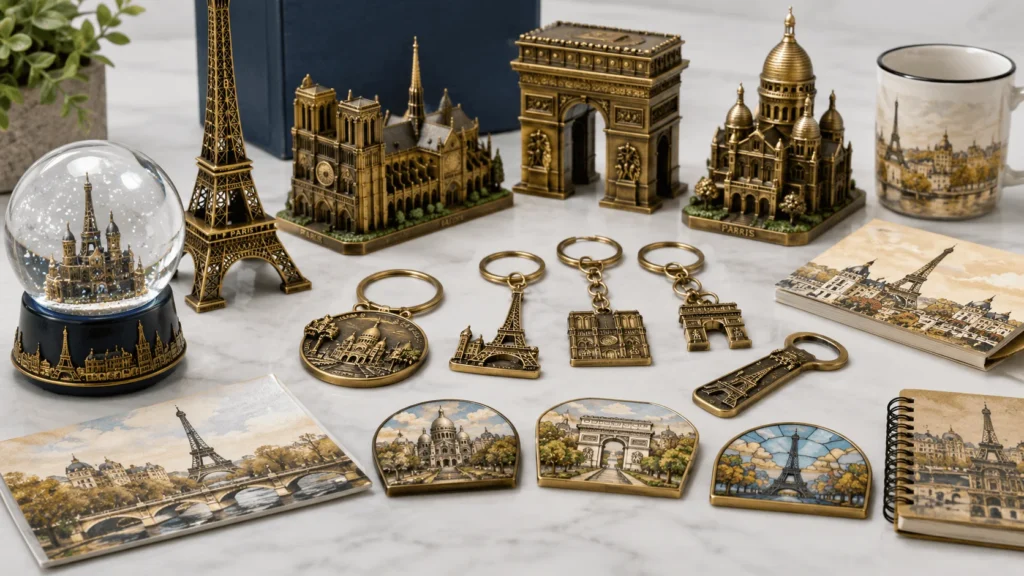
For example, a city museum may develop a skyline collection. A zoo may create an animal mascot collection. A coastal attraction may use ocean elements. A historical site may use architecture, maps and cultural patterns.
A focused theme helps the collection feel meaningful instead of generic.
Step 2: Choose Core Product Categories
After the theme is clear, buyers can choose suitable product categories.
A practical souvenir collection usually includes a mix of low-price, mid-price and premium items.
| Price Level | Product Examples | Purpose |
|---|---|---|
| Entry-level | Magnets, keychains, badges, postcards | Easy impulse purchases |
| Mid-range | Mugs, tote bags, ornaments, stationery | Practical gifts and souvenirs |
| Premium | Snow globes, figurines, gift sets, boxed items | Higher-value gifts and collectibles |
| Add-on items | Stickers, bookmarks, small charms | Checkout counter sales |
This approach allows visitors with different budgets to find something suitable.
Step 3: Build a Product Matrix
A product matrix helps buyers plan the collection more clearly.
For example, a museum gift shop collection could include:
| Product Type | Theme Use | Suggested Role |
|---|---|---|
| Fridge magnet | Museum building or famous artwork | Entry-level bestseller |
| Keychain | Landmark outline or mascot | Small everyday souvenir |
| Snow globe | Museum building or city skyline | Premium collectible |
| Tote bag | Illustration or logo design | Practical retail item |
| Mug | Main visual artwork | Mid-price gift |
| Ornament | Seasonal or limited edition | Holiday retail product |
| Postcard set | Museum images or exhibition theme | Lightweight add-on |
| Plush mascot | Museum character or animal | Family-friendly product |
This type of planning helps avoid random product selection.
Step 4: Design for Different Visitor Groups
Different visitors buy different souvenirs.
A good collection should consider:
| Visitor Group | Product Direction |
|---|---|
| Families | Plush mascots, magnets, keychains, small toys |
| International tourists | Landmark products, lightweight gifts, postcards |
| Collectors | Limited editions, numbered products, premium packaging |
| Children | Cute characters, animal themes, soft products |
| Corporate buyers | Gift boxes, premium sets, branded souvenirs |
| Online shoppers | Easy-to-ship items, boxed sets, lightweight products |
Understanding the buyer group helps museums and attractions choose more practical products.
Step 5: Keep Visual Style Consistent
Even if the collection includes many product types, the visual style should feel connected.
Buyers can keep consistency through:
- Shared color palette
- Same logo placement
- Similar illustration style
- Matching packaging design
- Consistent typography
- Same destination name
- Repeated landmark elements
- Unified hang tags or labels
A consistent visual style makes the gift shop display look more professional.
Step 6: Plan Packaging Early
Packaging is important for souvenir collections because it affects display, protection and perceived value.
Common packaging options include:
- Hang tags
- Header cards
- Kraft boxes
- Window boxes
- Gift boxes
- Display cards
- Barcode labels
- Shelf-ready trays
- Tissue paper wrapping
- Set packaging
For fragile items such as snow globes, ceramic items, resin figurines or glass ornaments, packaging should be confirmed early to avoid damage during shipment.
This article focuses on collection planning. For more general product and packaging ideas, please read our guide to custom tourism souvenirs.
Step 7: Create Retail Display Ideas
A souvenir collection should also be easy to display.
Gift shops can use:
- Product grouping by theme
- Small countertop displays
- Wall hanging displays
- Shelf-ready boxes
- Basket displays
- Price tier sections
- Limited-edition display areas
- Seasonal tables
- Checkout counter add-on displays
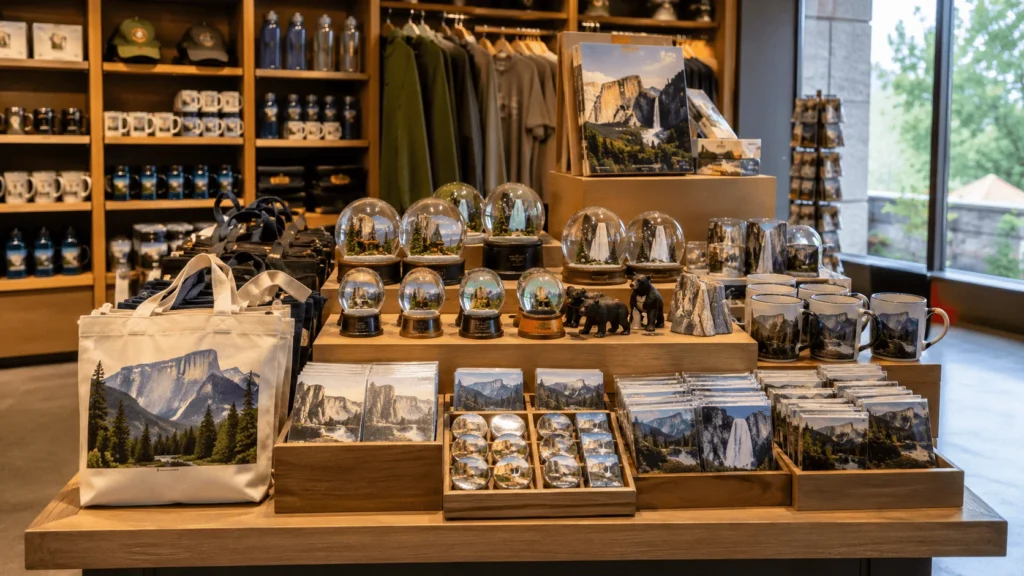
For example, magnets, keychains and postcards can be placed near checkout. Snow globes and figurines can be placed in a premium display area. Tote bags and mugs can be shown together as practical gift items.
Step 8: Start with a Focused SKU Plan
A common mistake is starting with too many products.
For a first collection, buyers can start with a focused SKU plan and expand later.
Example starting plan:
| Collection Size | Suitable For | Example SKU Plan |
|---|---|---|
| Small collection | Small gift shops | 5–8 SKUs |
| Medium collection | Museums and attractions | 10–20 SKUs |
| Large collection | Distributors and major destinations | 30+ SKUs |
A medium collection may include:
- 3 magnet designs
- 3 keychain designs
- 2 mugs
- 2 tote bags
- 2 snow globes
- 2 figurines
- 1 postcard set
- 1 gift box option
This gives visitors enough choice without making the project too difficult to manage.
Step 9: Think About Reordering
For museums and attractions, souvenirs are often long-term retail products.
Buyers should think about:
- Which products are likely to reorder
- Which products are seasonal
- Which products are limited edition
- Which products need molds
- Which packaging can be reused
- Which designs can be updated yearly
- Which items are easy to ship and store
Good collection planning can make future reorders easier.
Step 10: Example Collection Ideas
Here are several custom souvenir collection ideas.
| Collection Theme | Product Ideas | Suitable Buyer |
|---|---|---|
| City skyline collection | Magnets, mugs, tote bags, snow globes | City gift shops |
| Museum architecture collection | Building magnets, ornaments, postcards | Museums |
| Animal attraction collection | Plush mascots, keychains, badges | Zoos and aquariums |
| Heritage collection | Resin figurines, bookmarks, gift boxes | Historical sites |
| Seasonal souvenir collection | Christmas ornaments, snow globes, gift sets | Tourist attractions |
| Exhibition collection | Art-inspired stationery, tote bags, magnets | Galleries and museums |
These ideas can be adjusted based on the destination story and visitor profile.
What Buyers Should Prepare Before Requesting a Quote
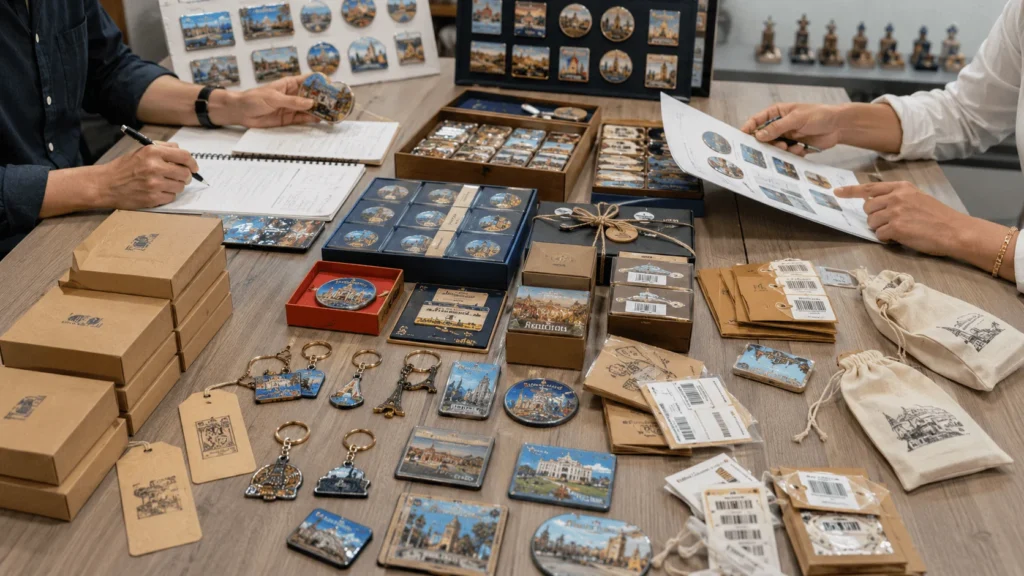
To develop a custom souvenir collection, buyers should prepare:
- Destination or brand story
- Logo or visual identity
- Landmark or artwork references
- Product categories of interest
- Target quantity
- Target price range
- Packaging requirements
- Display requirements
- Target market
- Delivery deadline
- Shipping destination
- Existing product references if available
The clearer the collection plan is, the easier it is to develop suitable products.
Common Mistakes to Avoid
Buyers should avoid:
- Choosing products without a clear theme
- Mixing too many unrelated styles
- Ignoring packaging and display needs
- Starting with too many SKUs
- Forgetting visitor budget levels
- Making fragile products without protection planning
- Not considering reorders
- Using generic products without local identity
- Waiting too late for seasonal collections
A strong souvenir collection should be attractive, practical and easy to manage.
How Superstar Supports Custom Souvenir Collection Projects
Superstar helps overseas buyers develop custom souvenir collections from China.
We can support:
- Product idea discussion
- Collection planning
- Supplier coordination
- Sample follow-up
- Packaging options
- Quality checking
- Consolidation and shipment preparation
Our product range includes tourism souvenirs, plush toys, Christmas decorations, promotional gifts, wedding favors, keychains, tote bags, snow globes, resin crafts and more custom products.
For buyers who need several product categories in one project, our one-stop sourcing from China service can help coordinate different suppliers, packaging and shipment preparation.
FAQ
What is a custom souvenir collection?
A custom souvenir collection is a group of related products designed around a museum, tourist attraction, city, event or destination story.
What products are suitable for museum souvenir collections?
Common products include magnets, keychains, snow globes, tote bags, mugs, postcards, figurines, ornaments, plush mascots and stationery.
How many SKUs should a gift shop start with?
Small gift shops may start with 5–8 SKUs. Museums and tourist attractions may start with 10–20 SKUs depending on budget and shelf space.
Can souvenir products use custom packaging?
Yes. Souvenir products can use hang tags, display cards, boxes, gift packaging, barcode labels and shelf-ready packaging.
Can Superstar help develop a full souvenir collection?
Yes. Superstar can help buyers plan, source and develop custom souvenir collections from China, including product selection, samples, packaging, quality control and shipment preparation.
Need a Custom Souvenir Collection for Your Gift Shop?
Send us your destination theme, product ideas or reference images. Superstar can help develop custom souvenir collections, packaging and sourcing solutions from China.