
A resin snow globe can look simple from a distance while combining several quality-sensitive parts: a transparent globe, internal miniature, liquid or decorative effect, molded polyresin base, hand-painted detail, lettering, closure and protective packaging. Quality control must follow the approved construction rather than rely on a final visual glance.
This guide gives souvenir importers, museum shops, destination retailers and wholesalers a practical inspection framework for resin snow globes and polyresin water globes. Buyers can compare structures in our custom snow globe sourcing guide.
QC documents should record the approved globe diameter, whether 45, 50, 55, 60 or 65 mm, plus total height, base dimensions and permitted tolerances.
Quick Answer: What Should Snow Globe Quality Control Cover?
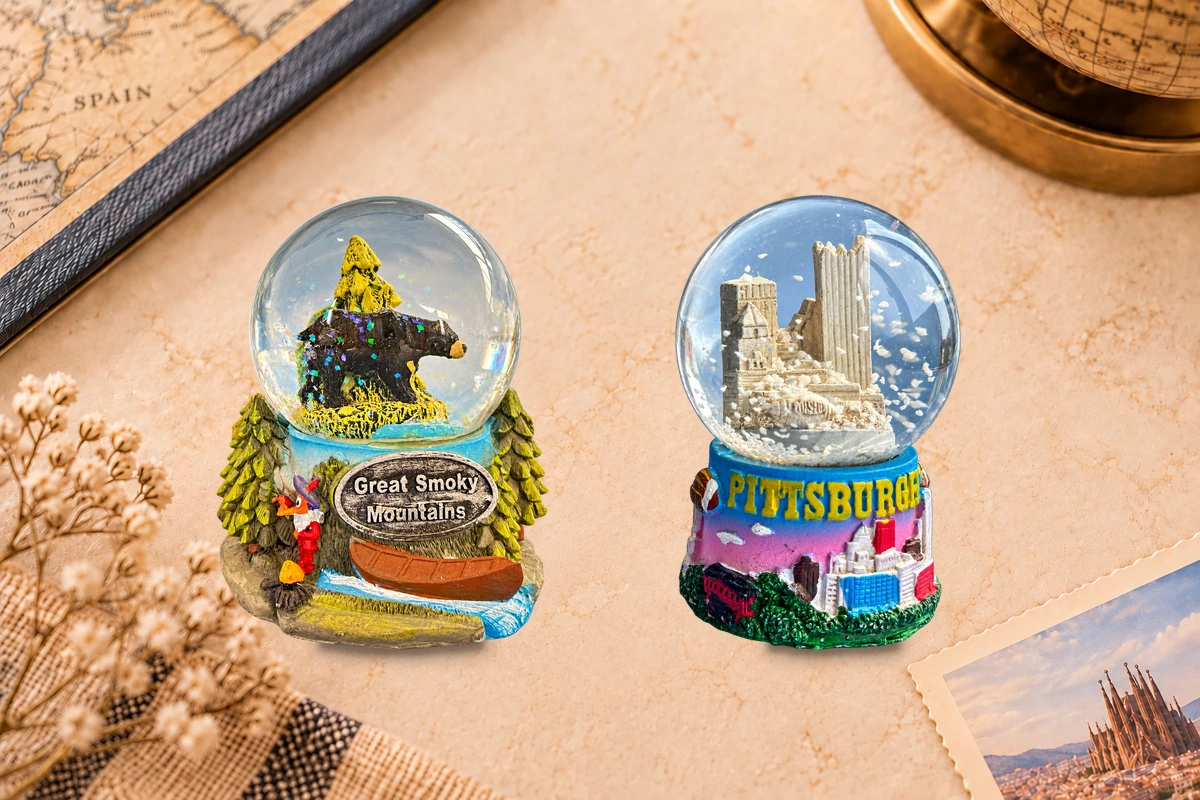
Inspection should confirm the approved design, dimensions, sculpture, paint, text, globe appearance, sealing, decorative movement, base stability, assembly, cleanliness and packaging. The approved physical sample should remain available to the factory, buyer and inspection team.
For a glass snow globe with a resin or polyresin base, quality control must cover both material systems as one finished product. Inspect the glass globe, liquid and seal together with the molded scene, painted base, lettering and final assembly; checking only the resin component is not sufficient.
1. Use a Signed Approval Standard
Keep the final artwork, 3D view, dimensions, color references, physical sample and packaging specification together. Label the revision clearly. Without one controlled approval standard, different teams may compare the order with different images or earlier prototypes.
2. Inspect the Master and Molded Shape
- Check overall silhouette and landmark proportions.
- Confirm windows, towers and relief details are complete.
- Look for bubbles, cracks, missing edges and distortion.
- Confirm the bottom sits flat and supports the complete product.
- Check that the internal miniature fits inside the selected globe.
- Confirm the molded city name is spelled and oriented correctly.
3. Control Surface Preparation and Painting
Paint quality includes coverage, color, alignment and cleanliness. Inspect missed areas, paint bleeding, excessive gloss, scratches and inconsistent dry brushing. Hand painting naturally includes small variation, but the acceptable range should be defined using the approved sample and color references.
4. Check the Globe and Internal Scene
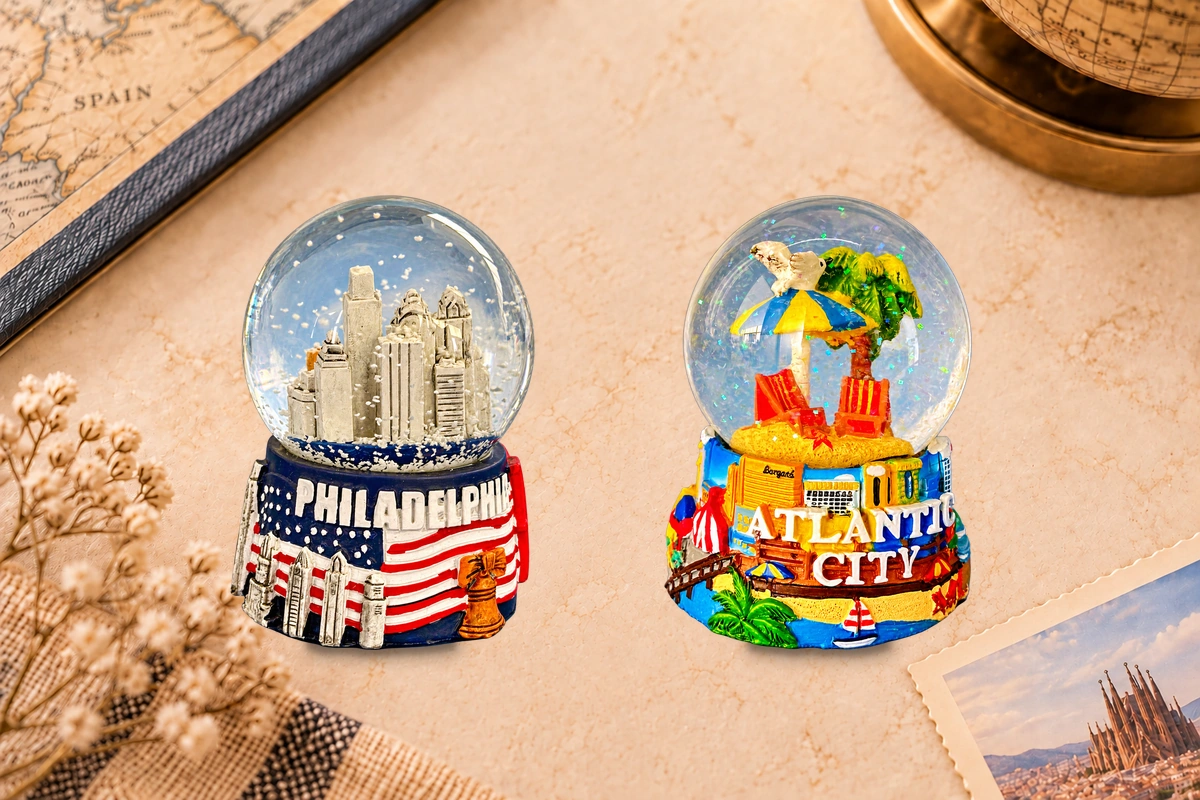
The transparent sphere should meet the approved appearance and dimensions. Check obvious chips, cracks, scratches, contamination and incorrect orientation. The internal landmark should face forward, remain secure and leave the intended viewing clearance.
5. Verify Sealing and Decorative Movement
Where the approved product contains liquid, snow or glitter, check the specified fill appearance, closure, leakage risk and movement after settling. Test methods and acceptance criteria should be agreed for the actual structure and market. Do not assume that every water snow globe or snow globe water ball uses the same technical standard.
6. Inspect Assembly and Base Stability
The globe and base should be aligned, secure and clean. The product should stand without rocking under normal display conditions. Check adhesive residue, uneven seams, gaps, exposed sharp areas and incorrectly positioned decorative pieces.
7. Confirm Text, Logos and Destination Accuracy
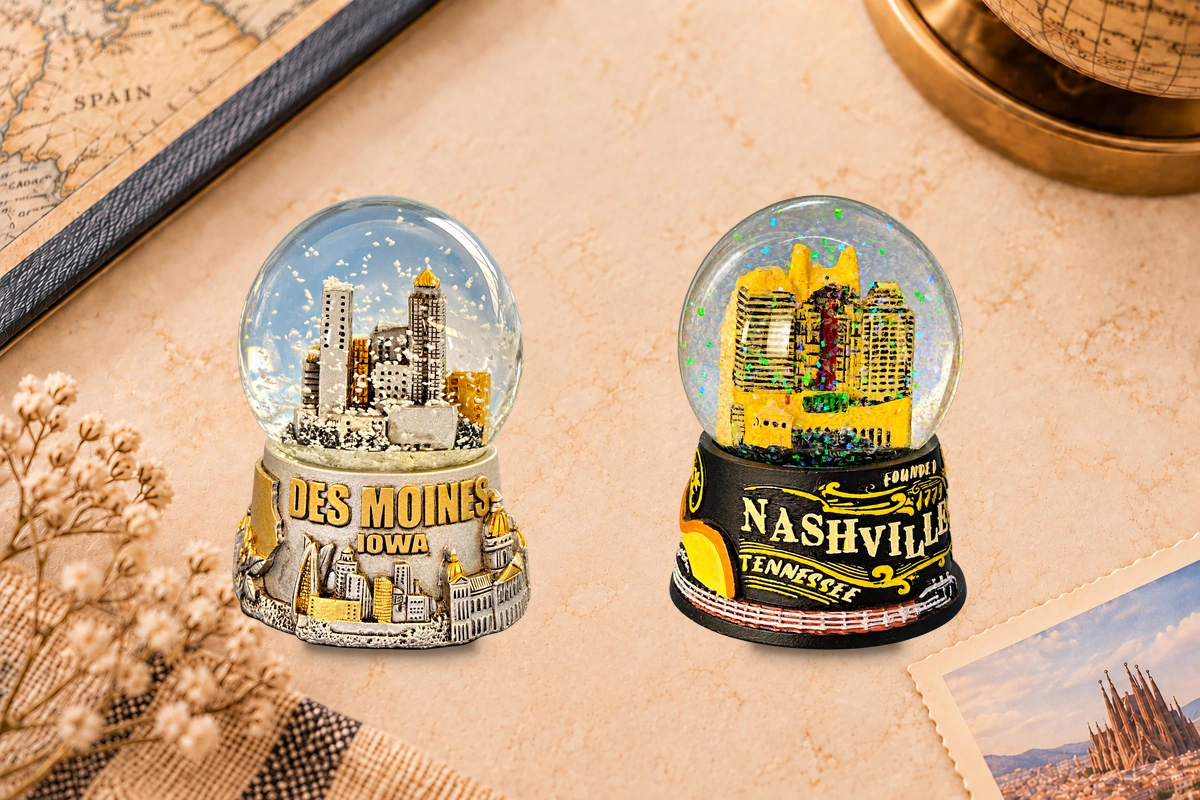
A technically sound product can still fail commercially if the city name, accent, date or logo is wrong. Compare lettering with the approved vector file, not a handwritten note. For mixed-city orders, inspect every design separately.
8. Approve Packaging with the Real Product
The insert should support the globe and base without concentrating pressure on towers, handles or projecting decoration. Check movement inside the box, barcode area, printed artwork, carton quantity and mixed-design labels. Protective packaging should be evaluated with the actual packed sample.
Pre-Shipment Inspection Plan
| Inspection Stage | Key Checks |
|---|---|
| Identity | Correct design, city, quantity and revision |
| Dimensions | Globe diameter, total height, base size and weight |
| Appearance | Sculpture, paint, text, surface and cleanliness |
| Assembly | Orientation, connection, stability and decorative effect |
| Packaging | Insert fit, box artwork, labels and carton assortment |
| Records | Approved sample, defect photos and inspection result |
Sampling method and acceptance criteria should be agreed in the purchase documents. If the buyer uses AQL or another statistical inspection plan, the level and defect classification must be defined for the project rather than assumed.
Common Defects to Separate by Severity
- Critical project failures: wrong design, unauthorized logo, serious leakage or unsafe damage.
- Major defects: missing landmark parts, severe paint error, unstable base, incorrect wording or inadequate packaging.
- Minor defects: small appearance variation that remains within the agreed sample standard.
Production Timing and Quality Gates
Plan inspection into the schedule instead of adding it after the goods are packed. The Blog planning references are 20-25 days for sampling and 45-50 days for production after approval, but inspection, correction and freight need their own time allowances.
Final Recommendation
Quality control begins before production, with a clear specification and approved sample. A reliable custom snow globe factory, manufacturer or supplier should be able to show how the approved standard is communicated across molding, painting, assembly and packing. Inspect each design in a mixed wholesale order, verify the actual packaging and keep objective records. Buyers can compare the complete construction on our glass souvenir snow globe product page; for related molded-souvenir controls, see the polyresin souvenir guide.
Frequently Asked Questions About Resin Snow Globe Quality
What is the most important snow globe quality reference?
The approved physical sample supported by final artwork, dimensions, colors and packaging specifications is the most practical reference.
How can buyers check sculpting accuracy?
Compare the silhouette, proportions, required landmarks and fine details with the approved 3D view and physical master.
How is hand-painted color consistency controlled?
Use approved color references, a signed sample, work instructions and staged inspection. Define acceptable natural variation before production.
What should be checked on a resin water globe?
Check the specified globe, internal scene, closure, fill appearance, decorative movement, orientation, cleanliness, base and packaging.
Should every city design be inspected?
Yes. Different cities may use different molds, text, colors and painting instructions, so one design does not validate the others.
How can spelling errors be prevented?
Use an approved vector text file or written artwork proof and compare it at sample, production and final inspection stages.
What packaging defects are common?
Common problems include loose movement, pressure on projecting details, incorrect inserts, wrong box artwork and mixed carton labels.
Can buyers request a pre-shipment inspection?
Yes. The scope, sampling method, defect definitions and timing should be agreed before production.
How long should be allowed for sampling and production?
Use approximately 20-25 days for sampling and 45-50 days for production as Blog planning references, then add time for revisions, inspection and shipping.
What photos should an inspection report include?
Include product identity, measurements, front and side views, defects, globe and base assembly, packaging, carton markings and the final result.
Resin Snow Globe Quality Planning
Define the Approval Standard Before Production
Share your artwork, specifications, quantity and packaging. We can review the sample and quality-control checkpoints needed for your custom snow globe project.
Request a Custom Snow Globe Quote